generalflame@generalflame.net    +8618936485271
Cont

Have any Questions?

+8618936485271

Rotary kiln burner & SCC burner

First 12 Last1/2
professional Rotary Kiln Burner designer and manufacturer

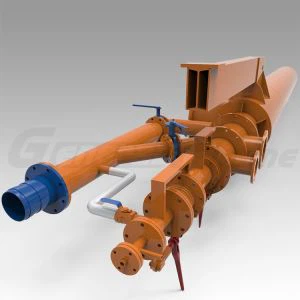
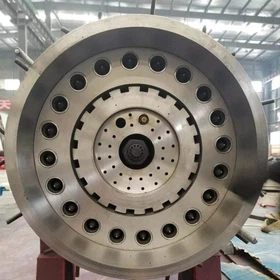
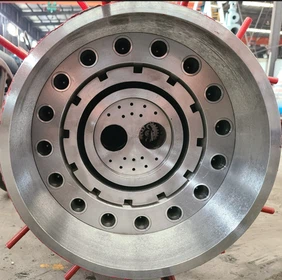
Rotary kiln burner is industrial burner used in rotary kiln industry area. Always it adopts detached type, that is, its air supply system and combustion system are separated. Our rotary kiln burner can be used for different fuels as flammable gas, flammable oil, flammable liquid and pulverized coal, etc. We design and produce each burner for different production like to produce as cement, lime, lithium salts, alumina, oxidized pellet, carbon, zinc oxide, manganese oxide, magnesium oxide, etc., as well as for solid waste disposal.

Strong R&D Teamwork(With 50 experienced R&D engineers)

Advanced Equipment And Instruments

Imported Raw Materials With Related Brands

Mature And Reliable Technology

Stable And Safe Operation

Easy Maintenance And Repair
Rotary Kiln Burners
Add to Inquiry
Rotary Kiln Burners

Brief introduction for rotary kiln burner: The Generalflame rotary kiln burner is mainly used in
Lithium Salts Rotary Kiln Burner
Add to Inquiry
Lithium Salts Rotary Kiln Burner

1.It cancels the air pressure station, which lessened the labor intensity, reduced the unsafe
Manganese Oxide Rotary Kiln Burner
Add to Inquiry
Manganese Oxide Rotary Kiln Burner

1.Classified by fuel control mode: Single selection fire burner, double selection fire burner,
Lime Rotary Kiln Burner
Add to Inquiry
Lime Rotary Kiln Burner

Meanwhile, we adopt the theory for big speed difference and strong cyclone of the new modern
Alumina Rotary Kiln Burner
Add to Inquiry
Alumina Rotary Kiln Burner

The burner developed by us has the advantage of high combustion efficiency, stable flame, good
Magnesium Oxide Rotary Kiln Burner
Add to Inquiry
Magnesium Oxide Rotary Kiln Burner

Magnesium oxide has heavy magnesium oxide, light magnesium oxide. There are a variety of production
Cement Rotary Kiln Burner
Add to Inquiry
Cement Rotary Kiln Burner

The burning zone of kiln crust maintain uniform and stable state, the whole process is stable,
Carbon Rotary Kiln Burner
Add to Inquiry
Carbon Rotary Kiln Burner

1.The primary air wraps the fuel, and the rotary kiln burner minimizes the contact area between
Zinc Oxide Rotary Kiln Burner
Add to Inquiry
Zinc Oxide Rotary Kiln Burner

1.Before the ignition of the rotary kiln burner, the technicists should calibrate the burner
First 12 Last1/2
Introduction to Rotary Kiln Burners
 

1. Definition and Purpose:

A rotary kiln burner is a specialized piece of equipment used in rotary kilns to combust fuel and generate the high temperatures needed for various industrial processes, such as cement manufacturing, lime production, and the processing of minerals.


2. Components of a Rotary Kiln Burner:

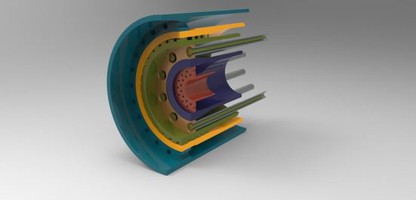
Burner Pipe: The main conduit through which fuel and air are delivered to the combustion zone.

Fuel Injection System: A mechanism to introduce fuel (coal, oil, gas, or alternative fuels) into the burner pipe.

Air Supply System: Provides the necessary air for combustion, often including primary, secondary, and sometimes tertiary air supplies to control flame shape and heat distribution.

Flame Holder: Ensures stable ignition and proper mixing of fuel and air.


3. Working Principle:

The rotary kiln burner introduces fuel and air into the kiln in a controlled manner, creating a flame that transfers heat to the materials being processed. The burner must ensure efficient combustion to achieve the desired temperature while minimizing fuel consumption and emissions.

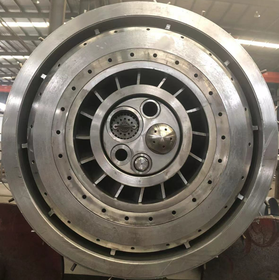
Rotary Kiln Burner
 

Rotary Kiln Burner-GeneralFlame


Designation:

GF+S/L/G(Solid/Liquid/Gas)+N(channel number)+RK(rotary kiln)+N(MW)


Power range:

Customized 1~150MW


Combustion temperature:

600~2000℃
_20230805171719.png
_20230805171450
_20230805170208


20231007152240

20230807170734

_20230805183100
Multiple-Fuel Capable


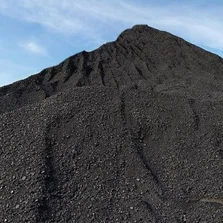
● Soild Fuel: Pulverized coal / Petroleum coke / Charcoal etc.

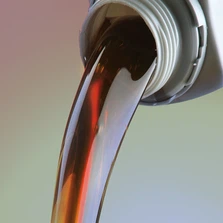
● Liquid Fuel: Heavy oil / Diesel oil / Coal tar etc.

● Gas Fuel: Natural gas / Coke oven gas / Industrial waste gas etc.


GeneralFlame Patent-ALVS Adjustable Laval Nozzle

● Laval convergent diffusion adjustable nozzle & angle adjustable cyclone.

● Low torque required for adjustment

● Anti-interference ability

● Adjust radial angle of burner in wide range.

● Improve the adaptability of flame shape

● Form the best flue gas backflow area

multi-channel burner nozzle for rotary kiln Axial swirl step-less adjustable multi-channel burner - 副本
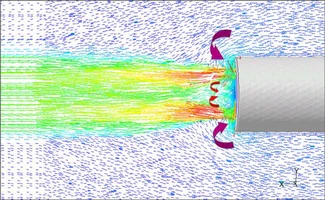
thrust vector nozzle-convergence thrust vector nozzle-diffusion thrust vector nozzle-rotate left thrust vector nozzle-rotate right CFD simulates the combustion of strong thrust burner with swept secondary air - 副本


Rotary Kiln Buner

Professional Rotary Kiln Buner Manufacturer


Adopts the multi-channel, high heat utilization, low fuel consumption and low emission technology developed by our company, technologies are mature and reliable, operation is safe and stable, and maintenance and repair are easy.


With the principle of energy saving and reliable quality, we put forward below schemes:

● Optimize the burner nozzle, improve the adjustment range of burner, improve the process adaptability, and make the flame concentrated, close but no touch to material to prevent the flame from diverging.

● High pressure air blower is used to coordinate the flame holding nozzle of the new burner, improve the total thrust of burner, and further improve the flame length.

Compact Structure

Stable Combustion

Good Flame Spread


Types of Rotary Kiln Burners


01

Single Channel Burners:

● Simplest design, typically used with gaseous fuels.

● Features one channel for fuel and primary air.

02

Multi-Channel Burners:

● More complex, allowing for better control and flexibility.

● Multiple channels for primary air, secondary air, and tertiary air, as well as for different types of fuels.

● Common in cement kilns for precise control over the flame shape and heat distribution.

03

Monoblock Burners:

● Integrated design with all components in a single unit.
● Easier to install and maintain but less flexible than multi-channel burners.

manganese oxide rotary kiln burner


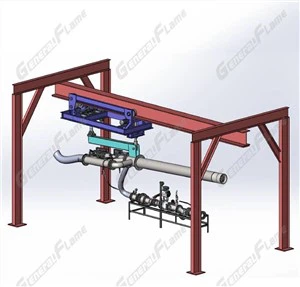
Rotary Kiln Burner System
 

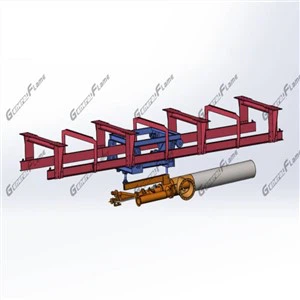
The Generalflame rotary kiln burner is mainly used in industrial use, both for different minerals calcination (lime, cement, manganese oxide, zinc oxide etc.), also for waste treatment. For easy and accurate operation, it normally adopts split type:

● The rotary kiln burner

● Fuel delivery system(fuel gas, oil, pulverized coal, etc.)

● Primary air fan

● Connection hoses

● Moving trolley

_20200415143652(1)

Applications of Rotary Kiln Burner


_20210318124846

1. Cement Industry:

● Rotary kilns are crucial in the production of clinker, the key component of cement.

● Burners must maintain high temperatures (around 1450°C) and a specific flame shape to ensure proper clinkering.

2. Lime Production:

● Kilns convert limestone into quicklime through calcination, requiring temperatures around 900-1000°C.

● Burners need to ensure uniform heating to prevent overburning or underburning.

3. Metallurgical Industry:

● Used for roasting and reduction of ores, sintering of iron ore, etc.

● Burners must provide the specific thermal profile required for different metallurgical processes.

Challenges and Innovations about Rotary Kiln Burners
 

1. Environmental Regulations:

● Stricter emission standards are driving the development of cleaner combustion technologies.

● Innovations in burner design focus on reducing NOx and other pollutants.

2. Fuel Costs and Availability:

● Rising fuel costs and the availability of alternative fuels are pushing the industry towards more efficient and flexible burner designs.


3. Automation and Control:

● Advanced control systems and automation are enhancing burner performance, allowing for real-time adjustments and better process stability.


Rotary kiln burners are essential components in various industrial processes requiring high temperatures. The design and operation of these burners directly impact the efficiency, cost-effectiveness, and environmental footprint of the processes they support. Ongoing innovations are aimed at improving performance, flexibility, and sustainability.


FAQ

Q: What are the advantages of rotary kiln incinerator?

A: Rotary kiln incinerators offer several advantages: 
Versatility: Can process various waste types, including hazardous, medical, municipal, and industrial wastes. 
High Efficiency: Ensures complete combustion with high destruction and removal efficiencies for organic compounds. 
Temperature Control: Operates at high temperatures (850°C to 1200°C) with uniform heat distribution. 
Extended Residence Time: Provides prolonged exposure to high temperatures, ensuring thorough waste treatment. 
Fuel Flexibility: Can use multiple fuel sources, including natural gas, oil, and alternative fuels. 
Operational Flexibility: Suitable for both continuous and batch processing, adaptable to different waste streams.

Q: What is the fuel source for a rotary kiln?

A: The fuel sources for a rotary kiln can include: 
Natural Gas: Commonly used for its clean combustion and ease of control. 
Coal: Often used in cement and lime industries, providing high thermal efficiency. 
Oil: Used when other fuels are not available or economical. 
Alternative Fuels: Includes waste-derived fuels, biomass, and other renewable sources. 
Electricity: Used in electric rotary kilns, though less common due to high energy costs.

Q: What is the maximum temperature for a rotary kiln?

A: The maximum temperature for a rotary kiln typically ranges up to around 1450°C (2642°F), especially in applications such as cement manufacturing. However, the exact maximum temperature can vary depending on the specific design and application of the kiln. Some specialized kilns may operate at slightly higher or lower temperatures based on the materials being processed and the desired outcomes.

Q: What are the problems in rotary kiln?

A: Rotary kilns, like any industrial equipment, can encounter various problems during operation. Some common issues include: 
Refractory Wear: The intense heat and abrasive nature of materials being processed can lead to refractory lining degradation, reducing kiln efficiency and lifespan. 
Ring Formation: Build-up of material rings inside the kiln can obstruct material flow, reduce heat transfer efficiency, and even cause kiln shutdowns. 
Coating Formation: Accumulation of material coatings on the kiln walls can impede heat transfer, reduce thermal efficiency, and increase fuel consumption. 
Mechanical Wear: Wear and tear on mechanical components such as tires, rollers, and gears can lead to misalignment, vibration, and decreased kiln stability. 
Thermal Stress: Rapid temperature changes or uneven heating can cause thermal stresses in the kiln shell and refractory lining, leading to cracking and structural damage. 
Incomplete Combustion: Improper fuel-air mixing or inadequate residence time can result in incomplete combustion, leading to emissions of unburned pollutants and reduced thermal efficiency. 
Flame Instability: Poor flame control or burner performance can cause flame instability, leading to uneven heating, hot spots, and reduced product quality. 
Emissions Control: Meeting environmental regulations requires effective control of emissions such as NOx, CO, and particulate matter, which can be challenging in rotary kiln operations. 
Addressing these problems often involves regular maintenance, monitoring, and adjustment of kiln parameters, as well as the use of advanced control systems and refractory materials designed to withstand high temperatures and harsh operating conditions.

Q: What is the fuel source for a rotary kiln?

A: The fuel source for a rotary kiln can vary depending on factors such as the industry, location, and availability of resources. Common fuel sources include: 
Natural Gas: Clean-burning and readily available, natural gas is often used in rotary kilns for its convenience and controllability. 
Coal: Solid fuel like coal is used in industries where it's abundant and cost-effective, such as cement and lime production. 
Oil: Liquid fuels like diesel or fuel oil may be used in regions where natural gas or coal is less accessible or during temporary shortages. 
Alternative Fuels: Increasingly, industries are turning to alternative fuels such as biomass, waste-derived fuels, shredded tires, or sewage sludge. These fuels can offer cost savings, waste disposal solutions, and environmental benefits. 
Electricity: In rare cases, electric rotary kilns powered by electricity are used, particularly in regions where renewable energy sources are abundant or where emissions regulations are stringent. 
The choice of fuel source depends on factors such as cost, availability, environmental regulations, and the specific requirements of the industrial process.


Welcome to buy or wholesale high quality rotary kiln burner at competitive price from professional rotary kiln burner manufacturers and suppliers in China. For customized service, contact our factory.

Hazardous Waste Disposal Burner, Industrial Flammable Gas Burner, Rotary kiln burner system Generalflame

(0/10)

clearall