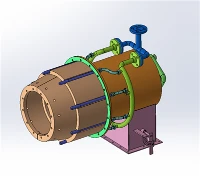
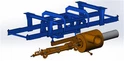
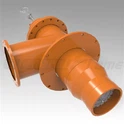
On June 29, 2026, a petroleum coke burner system designed and manufactured by Jiangsu Jufeng Thermal Technology Co., Ltd. was officially dispatched from its domestic factory, bound for Houston, Texas, with an estimated arrival date of July 27. The system has a processing capacity of 5,000 kg/h and a thermal power of 35 MW, and will be used in a local petroleum coke fly ash collection project.

According to the manufacturer, the exported burner system features several technical highlights: it uses petroleum coke powder as its primary fuel and is equipped with an automatic diesel ignition system for one-touch startup; it also integrates core modules including a combustion chamber, combustion support device, control unit, and air supply system. The equipment can fully combust petroleum coke while efficiently capturing fly ash, and effectively controls SO₂ and NOₓ emissions.

Petroleum coke, a byproduct of petroleum refining, has low ash content and high calorific value, offering considerable economic benefits. In recent years, the U.S. petroleum coke export market has remained robust, with exports reaching $218 million in October 2024 alone. At the same time, China's exports of burners for pulverized solid-fuel furnaces to the U.S. have continued to grow steadily. The successful shipment of this burner system not only demonstrates China's mature capabilities in petroleum coke combustion technology, but also adds a new practical case for Sino-U.S. cooperation in energy and environmental protection equipment.
Upon delivery, the system will be deployed in the local petroleum coke fly ash collection project in Houston, converting petroleum coke powder into a clean heat source and thereby achieving the dual objectives of resourceful utilization of industrial byproducts and compliance with environmental emission standards.