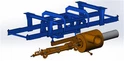
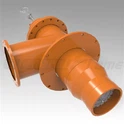
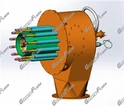
To fulfill the service philosophy of "providing total solutions for rotary kiln combustion systems," Generalflame recently conducted an atomization performance test on conditioning tower spray guns. The test verified core indicators including atomized particle size and spray coverage, focusing on the synergistic effect between the rotary kiln burner and the conditioning tower system, to create optimal conditions for stable combustion and downstream dust removal compliance.

In dry-process cement production lines, the spray gun and burner are deeply interconnected through the kiln tail gas system. Poor atomization can lead to "wet bottom" and buildup inside the tower, causing loss of control over ESP inlet temperature and dust resistivity. This not only reduces dust collection efficiency but also adversely affects the burner's combustion air balance and flame shape, increasing energy consumption and NOx emissions.
From Burner Supplier to System Solution Provider
As a professional manufacturer of rotary kiln burners, Generalflame understands that burner performance is closely tied to the kiln tail system's draft conditions and exhaust gas characteristics. This test marks our transition from a "single burner supplier" to a "rotary kiln combustion system solution provider." By offering reliable spray gun and atomization solutions, we help customers eliminate "wet bottom" and "wet wall" issues, ensuring precipitator inlet temperature stays within the ideal range of 120–150℃-supporting efficient, low-NOx operation of the entire kiln system.
Generalflame remains committed to technology-driven innovation and system-service excellence, partnering with cement and building materials customers to enhance rotary kiln combustion performance.
About Generalflame
A high-tech enterprise specializing in R&D, design, and manufacturing of rotary kiln burners for cement, lime, and metallurgy industries, delivering efficient, energy-saving, and environmentally friendly combustion solutions worldwide.